Website Audit
Uncover Hidden Opportunities: The Ultimate Guide to Conducting a Website AuditAre you looking to unlock the full potential of your website? A thorough website audit is the key to uncovering hidden opportunities and improving your online presence. In this ultimate guide, we will walk you through the steps of conducting a comprehensive website audit that will help you identify areas for improvement and boost your website’s performance.
From analyzing your website’s technical aspects to evaluating its content and user experience, a website audit provides valuable insights into how well your site is performing and what changes can be made to enhance its effectiveness. Whether you’re a business owner, a marketer, or a website owner, understanding the importance of a website audit is essential for staying ahead in the competitive online landscape.
In this guide, we will provide you with a step-by-step process for conducting a website audit, including tips and tools to make the task easier. We will cover everything from assessing your website’s SEO and mobile-friendliness to evaluating its design and user journey. By the end of this guide, you will have the knowledge and tools to conduct a comprehensive website audit that will set your website up for success. So, let’s get started!

Why a Website Audit is Important
A website audit is crucial for ensuring that your website is functioning optimally and meeting the needs of your users. By conducting a website audit, you can identify any technical issues that may be hindering your site’s performance, such as broken links, slow loading times, or mobile responsiveness issues. Additionally, a website audit allows you to assess the quality and relevance of your content, ensuring that it resonates with your target audience and aligns with your overall marketing goals.
Moreover, a website audit helps you uncover potential SEO opportunities and challenges that may be impacting your site’s visibility in search engine results. By analyzing key metrics such as keyword rankings, backlink profiles, and site structure, you can develop a strategic plan to improve your website’s search engine optimization and drive more organic traffic. Overall, a website audit provides a comprehensive overview of your site’s strengths and weaknesses, allowing you to make informed decisions that will enhance your online presence and user experience.
Types of Website Audits
There are different types of website audits that you can conduct to evaluate various aspects of your site’s performance. A technical audit focuses on the backend infrastructure of your website, examining factors such as site speed, mobile responsiveness, and security measures. This type of audit helps identify any technical issues that may be affecting your site’s usability and search engine ranking.
On the other hand, a content audit involves assessing the quality, relevance, and effectiveness of the content on your website. By analyzing factors such as readability, engagement metrics, and keyword usage, you can determine which content is performing well and which areas need improvement. A content audit is essential for ensuring that your website provides valuable and engaging information to your audience.
Additionally, a design and user experience audit evaluates the visual appeal and usability of your website. This type of audit focuses on factors such as navigation, layout, and call-to-action placement, all of which contribute to the overall user experience. By conducting a design and user experience audit, you can identify areas where your website can be enhanced to improve user engagement and conversion rates.

Preparing for a Website Audit
Before conducting a website audit, it’s important to gather all the necessary information and tools to ensure a thorough evaluation of your site. Start by creating a checklist of the key areas you want to assess, such as technical performance, content quality, design elements, and SEO factors. This will help you stay organized and focused throughout the audit process.
Next, make sure you have access to relevant analytics tools and software that will help you collect data and analyze key metrics. Tools such as Google Analytics, Google Search Console, and website auditing software can provide valuable insights into your site’s performance and identify areas for improvement. Additionally, consider setting up tracking mechanisms to monitor changes in your site’s performance over time.
Finally, allocate dedicated time and resources to conduct the website audit thoroughly. Depending on the size and complexity of your website, the audit process may take several days to complete. Make sure you have a clear plan in place and enlist the help of team members or external experts if needed to ensure a comprehensive evaluation of your site.
Conducting a Technical Audit
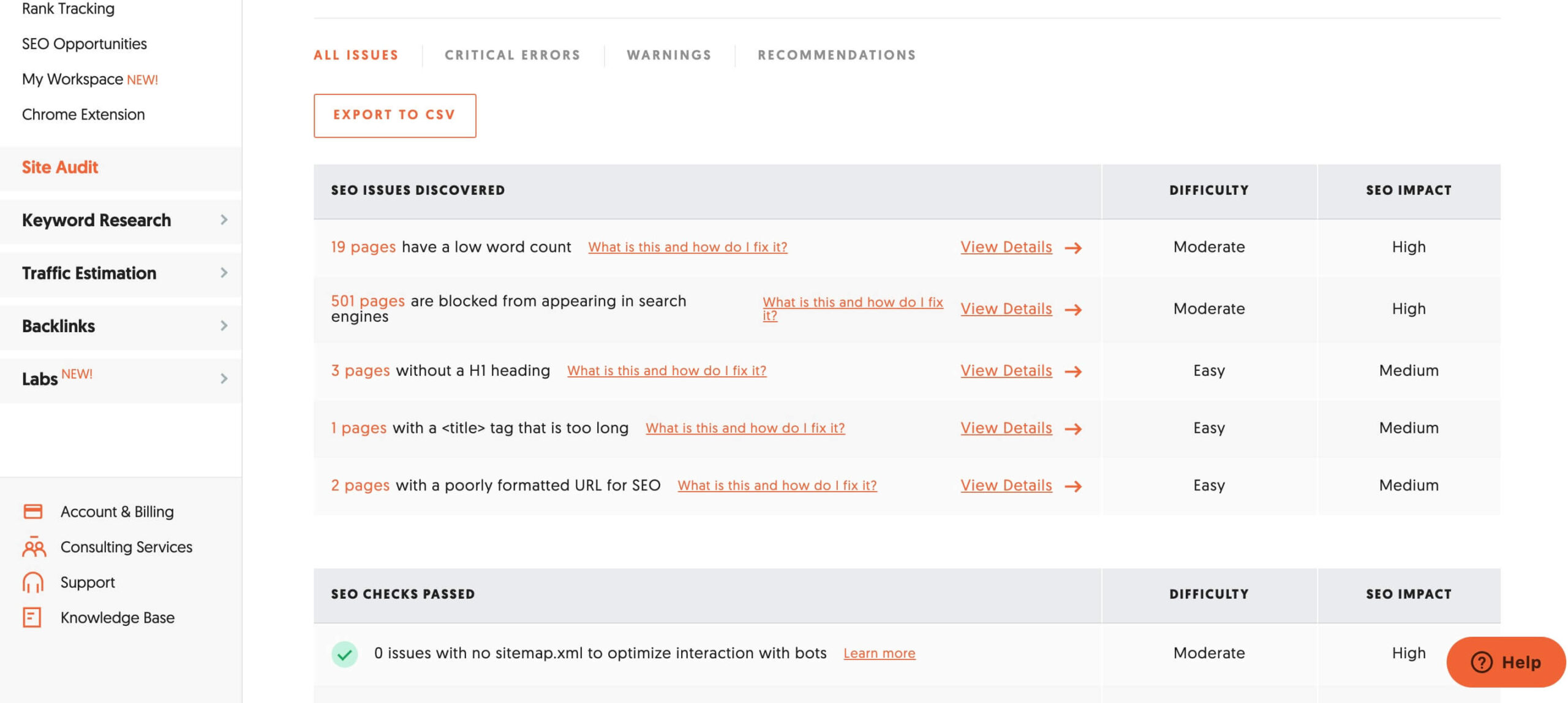
The technical audit is a fundamental aspect of a website audit, as it assesses the backend infrastructure and performance of your site. Start by checking for any technical issues that may be impacting your site’s usability and search engine ranking. This includes conducting a thorough review of your site’s loading speed, mobile responsiveness, and security measures.
Next, examine your website’s URL structure, internal linking, and sitemap to ensure that search engines can crawl and index your site effectively. Check for any broken links, duplicate content, or missing meta tags that may be affecting your site’s SEO performance. Additionally, assess your site’s hosting provider and server configuration to ensure optimal performance and uptime.
Furthermore, analyze your website’s security measures, such as SSL certificates and malware protection, to safeguard against cyber threats and ensure a secure browsing experience for your users. By conducting a technical audit, you can identify and resolve any underlying issues that may be hindering your site’s performance and user experience.
Analyzing Website Performance
Website performance is a critical factor in determining the success of your site, as it directly impacts user experience and search engine ranking. Conduct a thorough analysis of your site’s loading speed, page size, and overall performance metrics to identify any areas for improvement. Tools such as Google PageSpeed Insights and GTmetrix can help you assess your site’s performance and provide recommendations for optimization.
Next, analyze your site’s mobile responsiveness to ensure that it displays correctly on various devices and screen sizes. With the increasing use of mobile devices for browsing the internet, having a mobile-friendly website is essential for providing a seamless user experience. Test your site on different devices and browsers to identify any issues that may be affecting mobile usability.
Moreover, examine your site’s conversion rates and user engagement metrics to determine how well your site is meeting its goals. Analyze key performance indicators such as bounce rate, average session duration, and conversion funnels to identify areas where user experience can be enhanced and conversion rates improved. By analyzing website performance, you can make data-driven decisions to optimize your site for better results.

Assessing Website Design and User Experience
The design and user experience of your website play a crucial role in engaging visitors and driving conversions. Evaluate your site’s visual appeal, layout, and navigation to ensure that it aligns with your brand identity and provides a seamless user experience. Conduct user testing and feedback surveys to gather insights into how users interact with your site and identify areas for improvement.
Next, assess the usability of your site by evaluating factors such as page layout, menu structure, and call-to-action placement. Ensure that your site is easy to navigate and that users can find the information they are looking for quickly and intuitively. Consider implementing user-friendly features such as search bars, chatbots, and interactive elements to enhance the user experience.
Furthermore, analyze the loading speed and performance of your website to ensure that visitors can access your content quickly and efficiently. Optimize images and multimedia content to reduce loading times and improve site speed. By assessing website design and user experience, you can identify opportunities to enhance engagement, increase conversions, and improve overall user satisfaction.
Evaluating Content Quality and Relevance
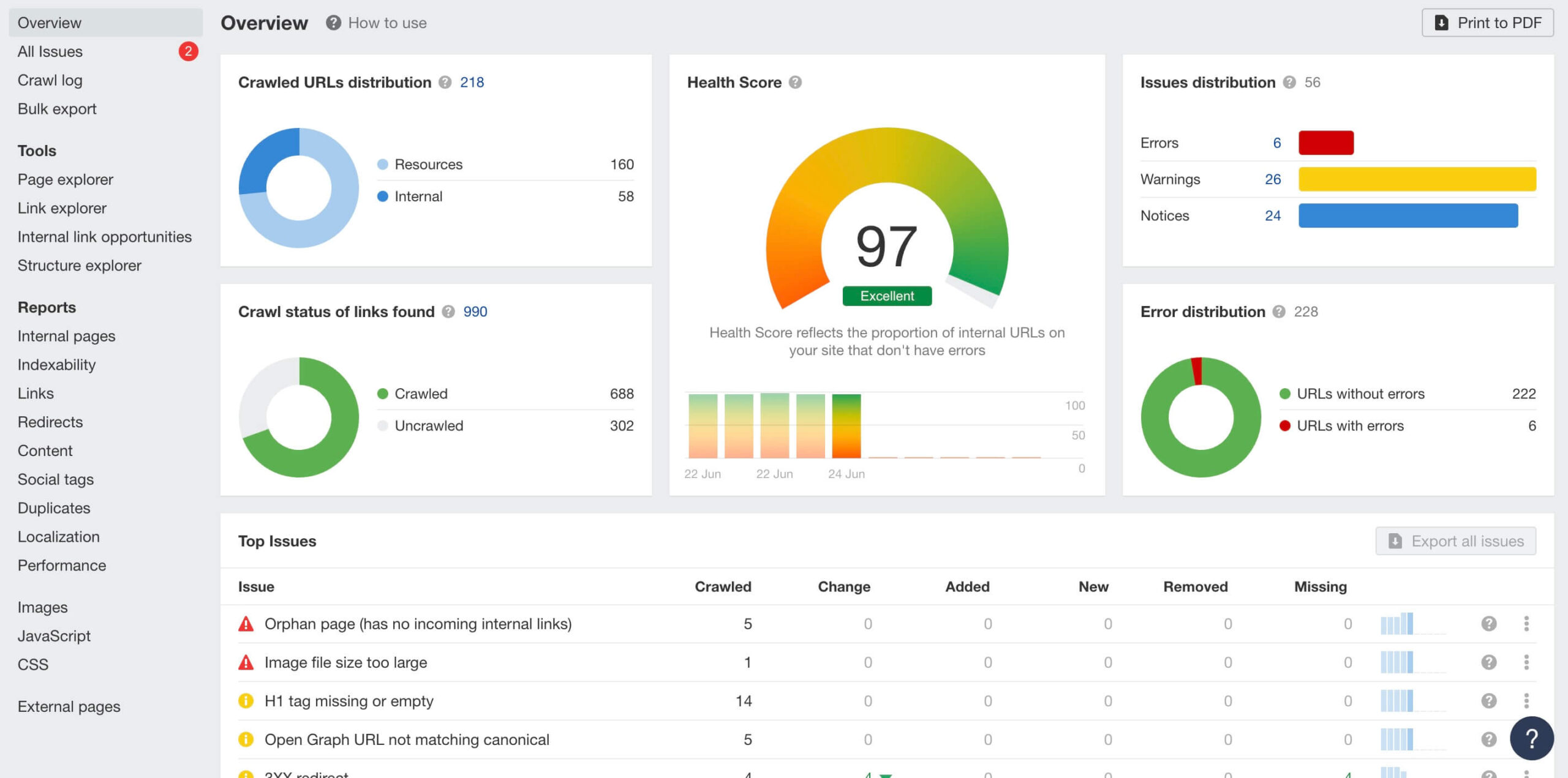
High-quality content is essential for attracting and retaining visitors to your website. Evaluate the relevance, accuracy, and effectiveness of your content to ensure that it meets the needs of your target audience and aligns with your marketing goals. Conduct a content audit to identify top-performing content, as well as areas where content can be updated or optimized.
Next, analyze your content for SEO best practices, such as keyword usage, meta tags, and internal linking. Ensure that your content is optimized for search engines to improve visibility and drive organic traffic to your site. Use tools such as SEMrush and Moz to conduct keyword research and identify opportunities to enhance your content strategy.
Moreover, consider the readability and engagement level of your content to ensure that it resonates with your audience and encourages interaction. Use multimedia elements such as videos, infographics, and interactive tools to enhance the user experience and keep visitors engaged. By evaluating content quality and relevance, you can create a compelling content strategy that drives traffic, engagement, and conversions.

Identifying SEO Opportunities and Challenges through a Website Audit
Search engine optimization (SEO) is a key component of a successful website strategy, as it helps improve your site’s visibility in search engine results and drive organic traffic. Identify potential SEO opportunities and challenges by conducting a thorough analysis of your site’s SEO performance metrics, such as keyword rankings, backlink profiles, and site structure.
Start by conducting keyword research to identify relevant keywords that align with your business objectives and target audience. Use tools such as Google Keyword Planner and Ahrefs to identify high-volume keywords with low competition that you can target in your content. Optimize your meta tags, headings, and content with relevant keywords to improve your site’s visibility in search engine results.
Next, analyze your site’s backlink profile to identify opportunities for building high-quality backlinks from authoritative websites. Develop a link-building strategy that focuses on acquiring natural and relevant backlinks to improve your site’s domain authority and search engine ranking. Monitor your backlink profile regularly and disavow any toxic or spammy links that may be harming your site’s SEO performance.
Furthermore, assess your site’s site structure, URL hierarchy, and internal linking to ensure that search engines can crawl and index your site effectively. Create a sitemap and submit it to search engines to help them understand the structure of your site and prioritize important pages. By identifying SEO opportunities and challenges, you can develop a strategic plan to improve your site’s search engine optimization and drive more organic traffic.

Implementing Recommendations and Monitoring Progress
Once you have completed your website audit and identified areas for improvement, it’s time to implement recommendations and monitor progress over time. Develop a prioritized action plan that addresses the key issues identified during the audit, such as technical fixes, content updates, and SEO optimizations. Allocate resources and set deadlines to ensure that recommendations are implemented effectively.
Next, track key performance indicators and metrics to monitor the impact of your changes on your site’s performance. Use tools such as Google Analytics and Google Search Console to analyze traffic, engagement, and conversion data to measure the success of your optimization efforts. Adjust your strategy as needed based on data insights and user feedback to continuously improve your website performance.
Moreover, consider conducting regular website audits on a quarterly or annual basis to stay proactive and ensure that your site remains optimized for success. Monitor industry trends, algorithm updates, and competitor strategies to stay ahead of the curve and adapt your website strategy accordingly. By implementing recommendations and monitoring progress, you can ensure that your website continues to drive results and meet the needs of your audience effectively.
In conclusion, conducting a comprehensive website audit is essential for uncovering hidden opportunities, optimizing performance, and improving user experience. By following the steps outlined in this guide, you can gain valuable insights into your website’s strengths and weaknesses and develop a strategic plan to enhance its effectiveness. Remember that a website audit is an ongoing process that requires dedication, analysis, and continuous improvement. By investing time and resources into conducting regular audits, you can ensure that your website remains competitive, relevant, and successful in the ever-evolving digital landscape. Unlock the full potential of your website today by conducting a thorough website audit and taking proactive steps to optimize your online presence. Here’s to uncovering hidden opportunities and achieving digital success!